Perennial Pastures
Soil Health
Soil Health
Soil Health

Healthy soil depends on crop diversity, minimal disturbance, living roots, and proper livestock integration.
Brassicas
Soil Health
Soil Health
Brassicas are used for grazing to rest pastures and provide extra forage; their seeds are similar in size to canola.
Annual Forage
Soil Health
Annual Forage
Annual grazing systems improve nutrient cycling, extend grazing, and produce high-quality forage while lowering costs.


What Factors Make a Quality Pasture?
- A quality forage has low fibre, high protein, and tastes good.
- Sugars in a plant are the immediate product of photosynthesis, which have not yet been incorporated into the plant structure. The less mature the plant, the greater proportion of total dry weight is made up by cell solubles. This is good grazing.
- In immature plants as much as 90% of the cellulose may be digested, while in mature grasses less than 25% may be digested.
- Overgrazing is the most harmful practice to any pasture and is the most common way that weeds get ahead of pastures.
- Always consider leaving a forage solar panel for quick growth after grazing.
- Rotational grazing is beneficial to both the cattle and the pastureland.
- Electric fencing is one tool that can be used to make grazing easier.
- Fresh water is essential.
- Stockpiled forage is needed for fall and winter grazing.
Don't Be Afraid of Legumes!
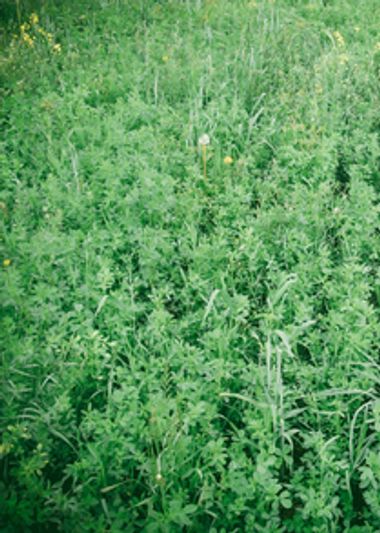
- With grazing management, legumes like alfalfa, vetch, and sainfoin can be the best for pastures.
- By having a good mix of grasses and legumes in the pasture stand, we can improve fertility in addition to livestock production.
- By having multiple species in a pasture stand, we can have good, productive grazing from spring to fall.
- Plant diversity suppresses the spread of harmful insects, diseases, and weeds.
- Inter-layering legumes through the grass canopy lessens bloat and creates a more efficient pasture (than the alternate sole grass or sole legume pasture).
- Plant diversity increases nutritional opportunities for grazing livestock.